MICHAEL SULLIVAN & ASSOCIATES BLOG

Your Resource for the Latest Legal News, Combined with Insights and Recommendations from Our Attorneys

Time Limit for Utilization Review After Deferral

Time Limit for Utilization Review After Deferral

Labor Code § 4610(l) allows an employer to defer conducting utilization review (UR) of a request for medical treatment "while the employer is disputing liability for injury or treatment of the condition for which treatment is recommended pursuant to Section 4062." Former California Code of Regulation (CCR) 9792.9.1(b) and new CCR 9792.9.2(a), effective April 1, 2026, state that a request for authorization "may be deferred if the claims administrator disputes liability for either the occupational injury for which the treatment is recommended or the recommended treatment itself on grounds other than medical necessity." That procedure protects defendants from having to immediately determine the medical necessity of treatment for a potentially nonindustrial condition.

Special Report: DWC Overhauls Utilization Review Regulations

Special Report: DWC Overhauls Utilization Review Regulations

Effective April 1, 2026, the Division of Workers’ Compensation (DWC) adopts a comprehensive and extensive set of new regulations governing utilization review (UR), independent medical review (IMR) and physician reporting. The regulations are available on the DWC's rulemaking page.

The changes are primarily driven by the legislative mandates of Assembly Bill (AB) 1124 and Senate Bill (SB) 1160, which were enacted to address complaints of excessive UR delays and denials. The overarching goals of the new regulations are to align the review process with SB 1160 and AB 1124, and to improve the process of the delivering medical treatment within workers’ compensation.

Rhino Round-Up: February Highlights

Rhino Round-Up: February Highlights

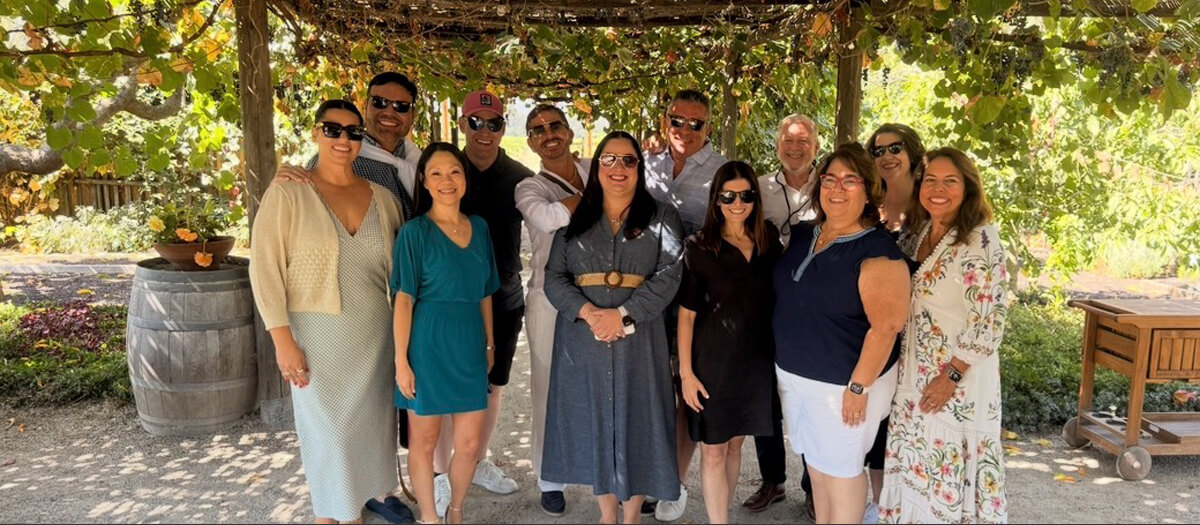
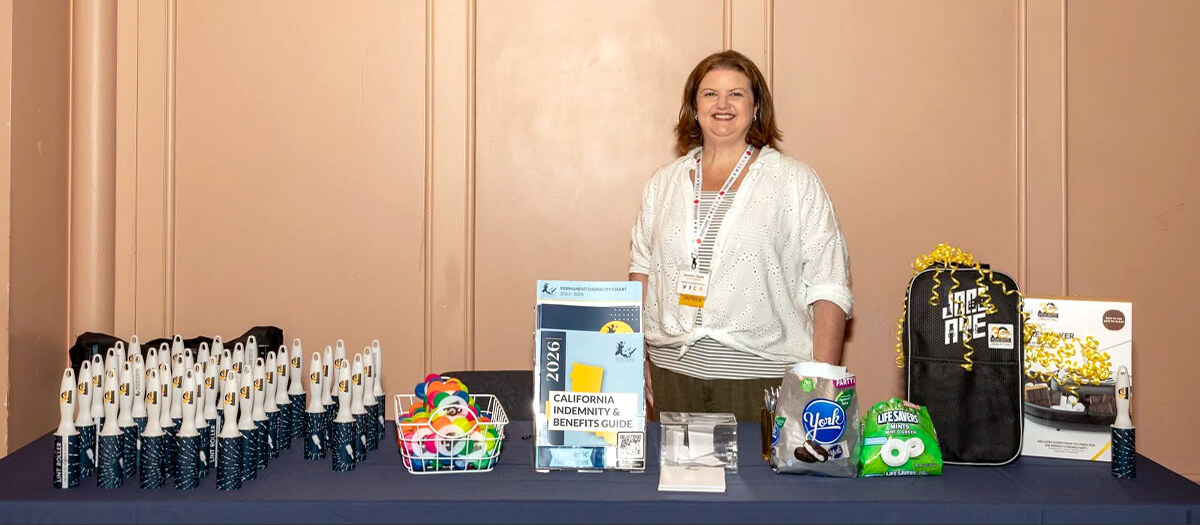
From celebrating excellence in the legal community at the Langston Bar Association awards to connecting with public sector leaders at the Public Agency Risk Management Association conference, February was filled with meaningful conversations and community engagement, along with opportunities to strengthen relationships across the industries we serve.

Check out the photos below to see how our teams came together to learn, grow, and unwind!

If you'd like to join MS&A at one of our upcoming events, just follow us on one of our social media channels--we're on LinkedIn, Instagram, and Facebook. We'd love to have you attend one of our events!

WCAB Clarifies Attorney Fee Commutation in Lifetime Awards

WCAB Clarifies Attorney Fee Commutation in Lifetime Awards

Labor Code § 4062.2 establishes the rules for requesting a panel of qualified medical evaluators (QMEs) when an employee is represented by an attorney. After a panel is obtained, LC 4062.2(c) states, "Within 10 days of assignment of the panel by the administrative director, each party may strike one name from the panel." The statute does not describe the appropriate method for exercising a strike, but it adds, "The administrative director may prescribe the form, the manner, or both, by which the parties shall conduct the selection process." Although the administrative director has adopted regulations related to the QME selection process in the California Code of Regulations (CCR) 29 et seq, none of the regulations discusses the striking process.

It's the January Rhino Round-Up!

It's the January Rhino Round-Up!

January was a busy and energizing start to the year for Team Rhino. Throughout the month, our attorneys connected with HR professionals at PIHRA’s CELU Conferences in San Diego and Riverside, led client training events, and came together for an all-attorneys lunch at our Orange County office. These moments reflect our continued commitment to education, collaboration, and strong client relationships.

We’re looking forward to carrying this momentum into the months ahead!

If you'd like to join MS&A at one of our upcoming events, just follow us on one of our social media channels--we're on LinkedIn, Instagram, and Facebook. We'd love to have you attend one of our events!

WCAB Panel Holds That Email Notification Is Sufficient for QME Strike

WCAB Panel Holds That Email Notification Is Sufficient for QME Strike

Labor Code § 4062.2 establishes the rules for requesting a panel of qualified medical evaluators (QMEs) when an employee is represented by an attorney. After a panel is obtained, LC 4062.2(c) states, "Within 10 days of assignment of the panel by the administrative director, each party may strike one name from the panel." The statute does not describe the appropriate method for exercising a strike, but it adds, "The administrative director may prescribe the form, the manner, or both, by which the parties shall conduct the selection process." Although the administrative director has adopted regulations related to the QME selection process in the California Code of Regulations (CCR) 29 et seq, none of the regulations discusses the striking process.

December 2025 Rhino Round-Up

December 2025 Rhino Round-Up

As we closed out the year, December was filled with connection, celebration, and teamwork at Michael Sullivan & Associates. From our annual firm holiday party to festive gatherings with organizations we’re proud to be involved with—and team-building events across several offices—it was a month that truly reflected the spirit of #TeamRhino.

Thank you to everyone who helped make December such a memorable way to wrap up the year. We’re excited to carry this momentum into the year ahead!

If you'd like to join MS&A at one of our upcoming events, just follow us on one of our social media channels--we're on LinkedIn, Instagram, and Facebook. We'd love to have you attend one of our events!

WCAB Panels Clarify Scope of Physician-Patient Privilege

WCAB Panels Clarify Scope of Physician-Patient Privilege

The physician-patient privilege is not absolute in workers' compensation, but neither is a defendant's right to discovery. Although filing a claim waives the privilege for conditions placed at issue, foundational cases, such as Allison v. WCAB, 72 Cal. App. 4th 654, established that this waiver does not grant defendants unfettered access to an applicant's entire medical history. That creates a constant tension between an applicant's constitutional right to privacy and a defendant's right to relevant information.

Two recent panel decisions from the Workers' Compensation Appeals Board (WCAB), Williams v. Chino Valley Independent Fire District, 2025 Cal. Wrk. Comp. P.D. LEXIS 339 and Tran v. UL, LLC, 2025 Cal. Wrk. Comp. P.D. LEXIS 340, provide a practical roadmap for navigating this complex terrain. Read together, they act as a clear warning against overbroad discovery tactics while simultaneously affirming a defendant's right to relevant discovery through the power of a well-crafted protective order to obtain necessary, sensitive information.